
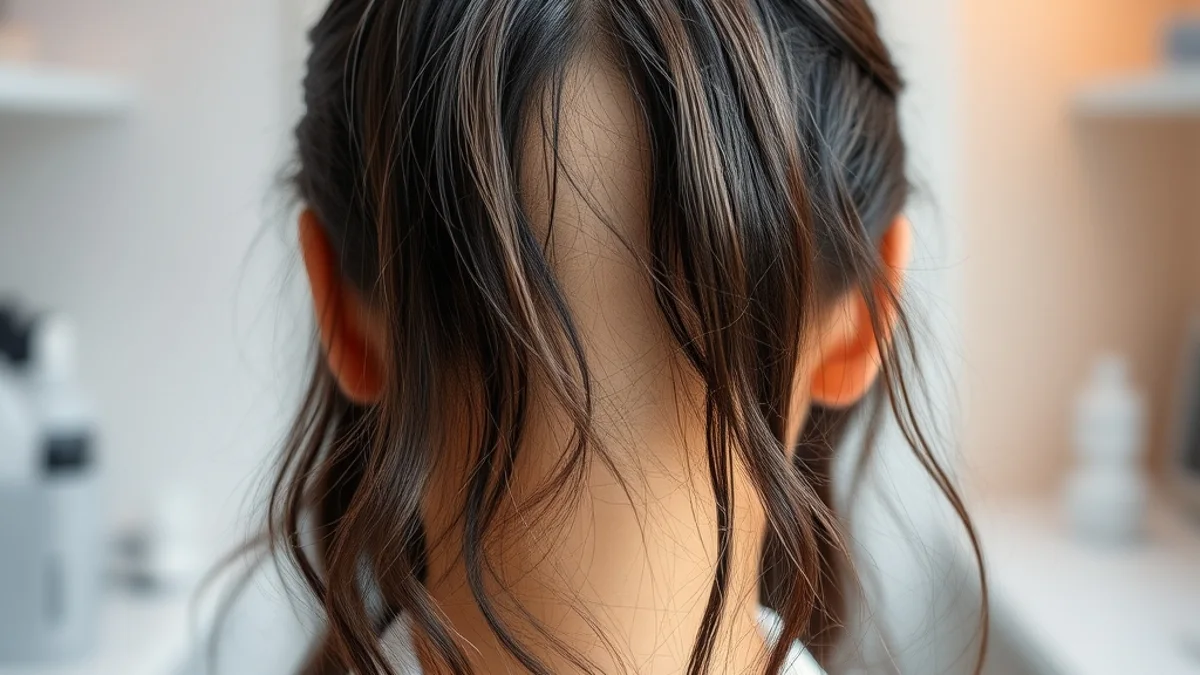
The measurement of hair strength is evolving, with dermatologists increasingly relying on advanced methodologies to assess the structural integrity of hair strands. This editorial delves into the leading techniques for quantifying hair strength, focusing on the pivotal role of tensile strength testing and its implications for clinical practice.
Understanding Tensile Strength: The Gold Standard in Hair Assessment
Tensile strength testing is the cornerstone of hair strength measurement. This method evaluates the maximum stress a hair strand can withstand while being stretched before breaking. By applying a controlled force to a hair sample, clinicians can quantify its strength and elasticity, providing critical insights into hair health. The results are often expressed in megapascals (MPa), offering a standardized metric for comparison.
Recent advancements in tensile testing technology have allowed for more precise measurements, incorporating high-resolution imaging and real-time data analysis. This evolution not only enhances the accuracy of results but also facilitates a deeper understanding of the underlying factors contributing to hair strength, such as the condition of the hair cuticle and the density of the hair shaft.
Related: Experts Examine Gray Hair Reversal Claims: What You Need to Know
Cellular Mechanisms of Photobiomodulation and Mitochondrial ATP
Photobiomodulation (PBM) has emerged as a revolutionary therapy in hair restoration, leveraging low-level light therapy to stimulate cellular processes. This technique enhances mitochondrial activity, leading to increased adenosine triphosphate (ATP) production, which is crucial for cellular metabolism and hair follicle health. Enhanced ATP levels promote cellular proliferation and differentiation, vital for maintaining hair strength and vitality.
Studies have demonstrated that PBM can significantly improve hair density and thickness, particularly in individuals experiencing androgenetic alopecia. By targeting the follicular stem cells, PBM not only strengthens existing hair but also encourages the growth of new hair follicles, thereby addressing the root causes of hair loss. The integration of PBM into clinical practice represents a significant advancement in the trichological field, offering patients a non-invasive option to enhance hair strength.
Exosomal Signaling and Follicular Stem Cell Activation
Exosomes, small extracellular vesicles, play a critical role in intercellular communication and have garnered attention for their potential in hair restoration therapies. These vesicles are rich in growth factors, proteins, and RNA, facilitating the transfer of bioactive molecules that can modulate hair follicle behavior. Recent research indicates that exosomal therapy can activate follicular stem cells, promoting hair growth and improving hair strength.
Clinical trials have shown promising results, with exosomal treatments leading to significant increases in hair density and overall scalp health. By harnessing the regenerative properties of exosomes, dermatologists can offer patients a cutting-edge solution that not only strengthens existing hair but also revitalizes dormant follicles. This innovative approach underscores the importance of understanding cellular signaling pathways in developing effective hair restoration protocols.
Patient Selection Criteria and Contraindications
Effective hair strength assessment and subsequent treatment require careful patient selection. Factors such as age, underlying health conditions, and the specific type of hair loss must be considered. For instance, patients with active scalp infections or certain autoimmune conditions may not be ideal candidates for advanced therapies like PBM or exosomal treatments.
Additionally, a thorough medical history and scalp examination are essential to tailor treatments to individual needs. Clinicians must also educate patients about realistic outcomes and potential side effects, ensuring informed consent and setting appropriate expectations. This personalized approach not only enhances treatment efficacy but also fosters patient trust and satisfaction.
Comparative Analysis of Clinical Efficacy and Longevity
| Treatment Modality | Mechanism of Action | Clinical Efficacy | Longevity of Results |
|---|---|---|---|
| Low-Level Light Therapy | Stimulates mitochondrial ATP production | Significant increase in hair density | Results last 6-12 months |
| Exosomal Therapy | Activates follicular stem cells | Promotes new hair growth and strengthens existing hair | Results can last up to 18 months |
| Growth Factor Injections | Enhances cellular proliferation | Improves hair thickness and strength | Results typically last 6-12 months |
Innovative Approaches: The Future of Hair Strength Measurement
The future of hair strength assessment lies in the integration of advanced technologies such as artificial intelligence and machine learning. These tools can analyze vast datasets from tensile strength tests and other assessments to identify patterns and predict treatment outcomes. This data-driven approach will enable clinicians to customize treatment plans based on individual patient profiles, optimizing efficacy and minimizing risks.
Moreover, ongoing research into the genetic and molecular basis of hair strength will pave the way for targeted therapies that address the root causes of hair loss and weakness. As we continue to explore the complexities of hair biology, the potential for innovative treatments that enhance hair strength and overall health becomes increasingly promising.
To stay informed on modern bond repair chemistry, peptide innovations, and clinical trichological research, continue reading our Clinical Hair Science section below.
Understanding Hair Strength Measurement Techniques
Dermatologists utilize various techniques to assess hair strength, each providing unique insights into the condition of hair follicles and strands. The most common methods include:
- Tensile Strength Testing: This involves applying a controlled amount of force to a hair strand until it breaks, measuring the amount of force required to do so. This method offers a quantitative measure of hair strength.
- Elasticity Testing: This technique evaluates how much a hair strand can stretch before breaking. It helps determine the hair’s ability to withstand tension and its overall health.
- Microscopic Analysis: Using advanced imaging technology, dermatologists can examine hair structure at a microscopic level, identifying issues such as cuticle damage or shaft irregularities that may affect strength.
Each of these methods can provide valuable information regarding the health of hair and its susceptibility to damage, allowing for tailored treatment plans to enhance hair strength.
Comparative Overview of Hair Strength Testing Methods
| Testing Method | Advantages | Limitations | Best Used For |
|---|---|---|---|
| Tensile Strength Testing | Provides quantitative data; easy to replicate | Requires specialized equipment; may not reflect real-world conditions | Assessing overall hair strength |
| Elasticity Testing | Simple and quick; indicates flexibility | Subjective interpretation; may vary between hair types | Evaluating hair’s ability to withstand styling |
| Microscopic Analysis | Detailed insights into hair structure; identifies specific damage | Time-consuming; requires expertise | Diagnosing underlying hair issues |
What factors can affect hair strength?
Several factors can influence hair strength, including:
- Genetics: Your genetic makeup plays a significant role in determining hair thickness, texture, and overall strength.
- Diet: Nutritional deficiencies, particularly in proteins, vitamins, and minerals, can weaken hair.
- Environmental Stressors: Exposure to UV rays, pollution, and harsh weather conditions can lead to hair damage.
- Hair Care Practices: Excessive heat styling, chemical treatments, and improper grooming can compromise hair integrity.
How often should I have my hair strength assessed?
The frequency of hair strength assessments can depend on individual hair health and concerns. For those experiencing hair loss or damage, it may be beneficial to have assessments every 3-6 months. For individuals with healthy hair, an annual check-up may suffice. Regular assessments can help track changes and inform appropriate care strategies.
Can I improve my hair strength at home?
Yes, there are several effective strategies you can implement at home to enhance hair strength:
- Balanced Diet: Incorporate foods rich in proteins, vitamins (especially B vitamins), and minerals like zinc and iron.
- Gentle Hair Care: Use sulfate-free shampoos and conditioners, and avoid excessive heat styling.
- Regular Trims: Keeping hair trimmed can prevent split ends and breakage.
- Hydration: Stay hydrated and consider using hair masks or oils to nourish and strengthen strands.
By adopting these practices, you can significantly improve the strength and resilience of your hair over time.