
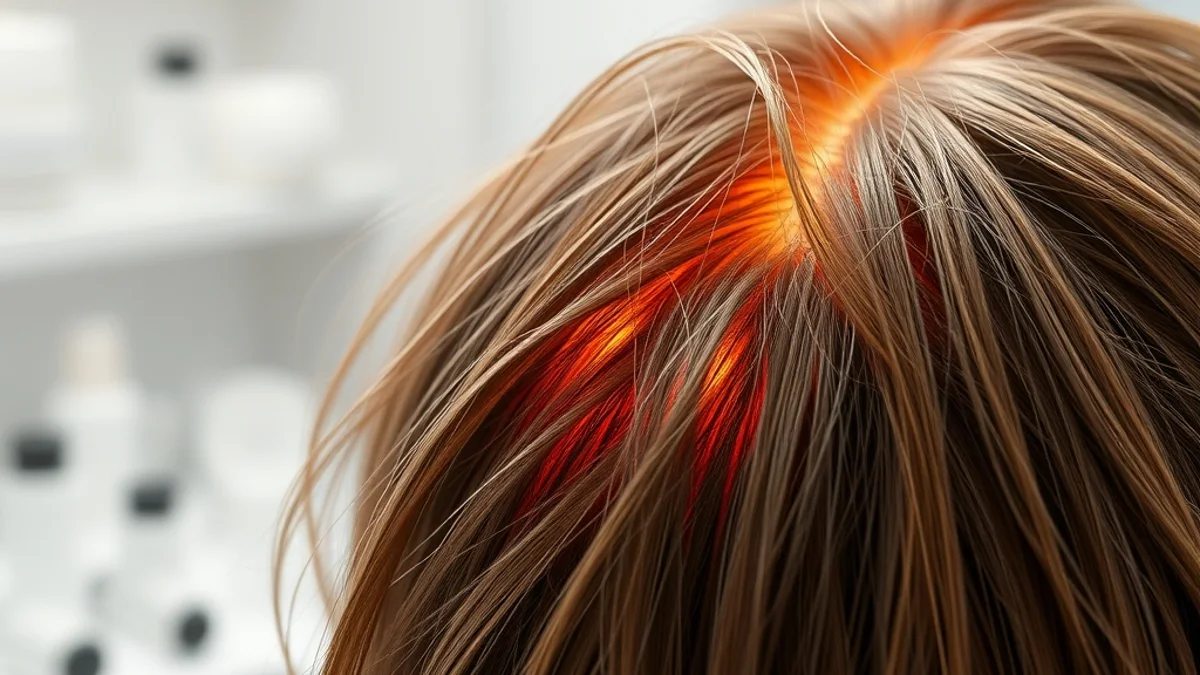
The intersection of technology and hair restoration is rapidly evolving, with innovative approaches emerging to address scalp health and hair repair. Tasya Farasya’s recent presentation of her “Crown Story” highlights the potential of advanced treatments, including low-level light therapy and exosomal therapies, to revolutionize trichology.
Mechanisms of Low-Level Light Therapy in Hair Restoration
Low-level light therapy (LLLT) has garnered attention for its ability to stimulate hair growth through photobiomodulation. This process involves the absorption of specific wavelengths of light, typically in the red and near-infrared spectrum, by mitochondrial chromophores in the scalp. The resultant increase in ATP production enhances cellular metabolism, promoting the proliferation of hair follicle cells and extending the anagen phase of the hair growth cycle. Clinical studies have demonstrated that LLLT can improve hair density and thickness, making it a compelling option for individuals experiencing androgenetic alopecia or other forms of hair loss.
Moreover, LLLT has been shown to reduce inflammation in the scalp, a critical factor in hair loss conditions. By modulating inflammatory cytokines and promoting a healthier scalp environment, LLLT not only supports hair growth but also contributes to overall scalp health. As patients increasingly seek non-invasive treatments, LLLT stands out as a scientifically validated option that aligns with the trend toward holistic hair restoration.
Related: Discover How Justicia Procumbens Boosts Hair Luster and Strength
Exosomal Therapy: The Future of Follicular Regeneration
Exosomes, nanoscale extracellular vesicles, play a pivotal role in intercellular communication and have emerged as a promising avenue for hair restoration. These vesicles are rich in growth factors, proteins, and RNA, facilitating the transfer of bioactive molecules that can enhance follicular stem cell activation. Recent studies indicate that exosomal therapy can significantly improve hair regrowth in patients with alopecia by promoting angiogenesis and reducing apoptosis in hair follicle cells.
The application of exosomal therapy involves the extraction of exosomes from mesenchymal stem cells, followed by their injection into the scalp. This method not only stimulates the local microenvironment but also enhances the survival and function of existing hair follicles. As research continues to elucidate the mechanisms of exosomal signaling, it is expected that this therapy will become a cornerstone in the treatment of hair loss, offering a regenerative approach that complements traditional methods.
Integrating Growth Factors for Enhanced Hair Follicle Activation
Growth factors have long been recognized for their role in tissue repair and regeneration, and their application in trichology is no exception. These proteins, such as platelet-derived growth factor (PDGF) and vascular endothelial growth factor (VEGF), are crucial in promoting hair follicle development and cycling. By incorporating growth factors into treatment protocols, clinicians can enhance the efficacy of hair restoration therapies.
Clinical trials have demonstrated that topical and injectable formulations containing growth factors can lead to significant improvements in hair density and scalp health. The synergistic effect of combining growth factors with LLLT or exosomal therapy may yield superior results, as these modalities work in concert to rejuvenate the hair follicle environment. As the field of hair restoration continues to evolve, the integration of growth factors into treatment regimens will likely become standard practice.
Patient Selection Criteria for Advanced Hair Restoration Techniques
Identifying suitable candidates for advanced hair restoration therapies is critical for optimizing outcomes. Patients should undergo a comprehensive evaluation, including a detailed medical history, physical examination, and diagnostic assessments such as trichoscopy. Ideal candidates for LLLT, exosomal therapy, or growth factor treatments typically exhibit early signs of hair loss and possess a sufficient number of viable hair follicles.
Contraindications may include active scalp infections, certain autoimmune conditions, or a history of adverse reactions to injectable therapies. Additionally, patients should be counseled on realistic expectations regarding treatment outcomes, as individual responses can vary significantly. By establishing clear selection criteria, clinicians can enhance treatment efficacy and patient satisfaction.
Comparative Efficacy of Advanced Hair Restoration Modalities
| Therapy | Mechanism of Action | Clinical Efficacy | Longevity of Results |
|---|---|---|---|
| Low-Level Light Therapy | Photobiomodulation, ATP production | Improves hair density and thickness | Results may last 6-12 months with maintenance |
| Exosomal Therapy | Cell signaling, stem cell activation | Significant regrowth in alopecia patients | Potentially long-lasting with follow-up treatments |
| Growth Factor Injections | Follicular activation, angiogenesis | Enhanced hair density and scalp health | Results typically last 6-12 months |
As we witness the convergence of technology and trichology, the future of hair restoration looks promising. The integration of advanced therapies such as LLLT, exosomal treatments, and growth factor applications offers a multifaceted approach to addressing hair loss. These innovations not only enhance the aesthetic outcomes for patients but also promote overall scalp health, paving the way for a new era in hair restoration.
To stay informed on modern bond repair chemistry, peptide innovations, and clinical trichological research, continue reading our Clinical Hair Science section below.
Innovative Scalp Care Technologies
In recent years, the beauty industry has witnessed a surge in technological advancements aimed at enhancing scalp health and hair repair. Tasya Farasya has embraced these innovations, integrating them into her personal hair care routine and sharing her insights with her audience. Some of the most notable technologies include:
- LED Light Therapy: This non-invasive treatment utilizes specific wavelengths of light to stimulate hair follicles, promoting hair growth and improving scalp circulation.
- Ultrasonic Devices: These tools use high-frequency vibrations to enhance the absorption of topical treatments, ensuring that nourishing ingredients penetrate deeply into the scalp and hair.
- Micro-Needling: This technique involves creating tiny micro-injuries on the scalp to stimulate collagen production and enhance blood flow, which can lead to healthier hair growth.
By incorporating these technologies into her regimen, Tasya not only addresses her own scalp concerns but also educates her followers on the importance of a healthy scalp as the foundation for beautiful hair.
Hair Repair Protocols: A Comprehensive Approach
To effectively repair damaged hair, a structured approach is essential. Tasya Farasya advocates for a multi-faceted hair repair protocol that combines various treatments and practices. Below is a comparison table outlining different hair repair methods and their benefits:
| Method | Description | Benefits |
|---|---|---|
| Deep Conditioning Treatments | Intensive treatments applied to hair to restore moisture and nutrients. | Improves hair elasticity, reduces breakage, and enhances shine. |
| Protein Treatments | Products that contain hydrolyzed proteins to strengthen hair. | Repairs structural damage, fortifies hair strands, and prevents future breakage. |
| Scalp Exfoliation | Removing dead skin cells and buildup from the scalp. | Promotes healthy hair growth, reduces dandruff, and improves product absorption. |
| Regular Trims | Cutting off split ends and damaged hair. | Maintains hair health, prevents further damage, and encourages growth. |
| Hydration and Nutrition | Consuming a balanced diet rich in vitamins and minerals. | Supports overall hair health from within, leading to stronger and shinier hair. |
Q: How often should I use scalp care products?
A: The frequency of using scalp care products depends on your specific scalp condition. For general maintenance, using scalp treatments 1-2 times a week is recommended. However, if you are dealing with issues like dandruff or excessive oiliness, you may benefit from more frequent applications. Always follow the instructions provided with the product for the best results.
Q: Can technology really help with hair growth?
A: Yes, various technologies such as LED light therapy and micro-needling have been shown to promote hair growth by stimulating blood circulation and encouraging the health of hair follicles. While results can vary from person to person, many individuals have reported positive outcomes when incorporating these technologies into their hair care routines.
Q: What should I look for in a hair repair product?
A: When selecting a hair repair product, look for ingredients that are known for their restorative properties, such as keratin, argan oil, and shea butter. Additionally, consider your hair type and specific needs—whether you require moisture, strength, or color protection. Reading reviews and seeking recommendations can also help you find the most effective products for your hair.