
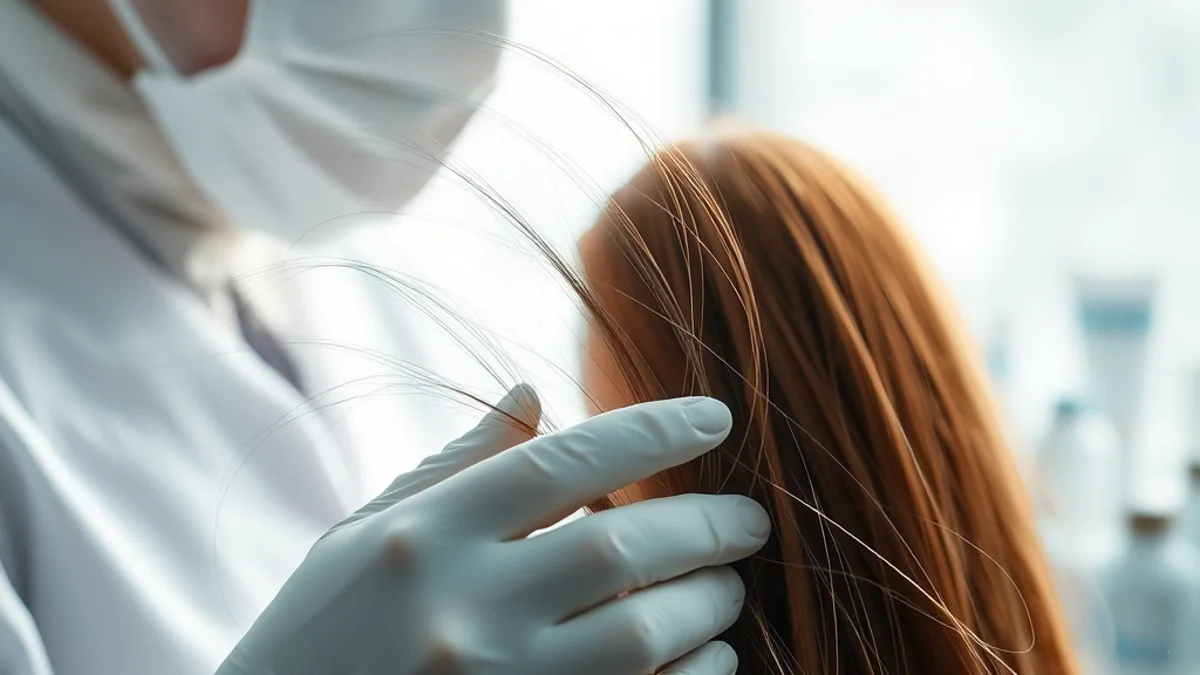
In the pursuit of healthy hair, individuals often overlook the daily habits that contribute to optimal hair health. This editorial dissects eight scientifically-backed practices that experts recommend for maintaining vibrant, resilient hair, while also exploring the underlying biological mechanisms that support these habits.
## Nutritional Foundations: The Role of Micronutrients in Hair Health
Healthy hair is a reflection of a well-nourished body. Essential vitamins and minerals play a critical role in hair growth and maintenance. Biotin, zinc, and vitamins A, C, D, and E are particularly significant for follicular health. Biotin, for instance, is crucial for keratin production, the primary protein that makes up hair. Deficiencies in these micronutrients can lead to hair thinning and loss, highlighting the importance of a balanced diet rich in whole foods.
Incorporating a variety of nutrient-dense foods, such as leafy greens, nuts, seeds, and fatty fish, can provide the necessary building blocks for hair health. Additionally, studies indicate that omega-3 fatty acids not only nourish hair follicles but also promote scalp health by reducing inflammation. This holistic approach to nutrition is essential for those seeking to enhance their hair vitality.
Related: The Top Method Dermatologists Use to Measure Hair Strength
## The Science of Scalp Care: Microbiome Balance and Follicular Health
The scalp microbiome plays a pivotal role in hair health, influencing everything from hair growth to scalp conditions. Maintaining a balanced scalp microbiome can prevent issues such as dandruff and seborrheic dermatitis, which can hinder hair growth. Regular cleansing with gentle, pH-balanced shampoos helps to remove excess oils and dead skin cells, fostering an environment conducive to healthy hair follicles.
Furthermore, innovative treatments like Tasya Farasya’s Crown Story: Innovative Scalp Care & Hair Repair emphasize the importance of targeted scalp therapies that nourish the hair roots while promoting microbial balance. These treatments often include probiotics or prebiotics that support beneficial bacteria on the scalp, ultimately enhancing hair growth and overall scalp health.
## Photobiomodulation: Harnessing Light for Hair Restoration
Low-level light therapy (LLLT) has emerged as a groundbreaking technique in the realm of hair restoration. This non-invasive treatment utilizes specific wavelengths of light to stimulate cellular activity within hair follicles. The mechanism involves photobiomodulation, which enhances mitochondrial function, leading to increased ATP production. This surge in energy supports hair growth and can even reverse the effects of androgenetic alopecia.
Clinical studies have demonstrated that consistent use of LLLT devices can lead to significant improvements in hair density and thickness. Patients often report visible results within a few months of regular treatment, making this an attractive option for those seeking non-surgical interventions. Understanding the cellular mechanisms of LLLT can empower patients to make informed decisions about their hair health strategies.
## Exosomal Therapy: A New Frontier in Hair Regeneration
Exosomes, nano-sized extracellular vesicles, have garnered attention for their potential in regenerative medicine, including hair restoration. These vesicles facilitate intercellular communication and contain growth factors that can activate dormant hair follicles. By harnessing the regenerative properties of exosomes, clinicians can enhance hair growth outcomes significantly.
Recent studies have shown that exosomal therapy can lead to improved hair density and quality, particularly in patients with alopecia areata and androgenetic alopecia. This innovative approach represents a paradigm shift in trichology, offering a minimally invasive option that leverages the body’s natural healing processes. As research continues to evolve, exosomal therapy may become a cornerstone in advanced hair restoration protocols.
## Stress Management: The Link Between Cortisol and Hair Loss
Chronic stress is a well-documented factor in hair loss, particularly in conditions like telogen effluvium. Elevated cortisol levels can disrupt the hair growth cycle, pushing follicles into a resting phase and leading to increased shedding. Therefore, incorporating stress management techniques into daily routines is essential for maintaining healthy hair.
Practices such as mindfulness meditation, yoga, and regular physical activity have been shown to lower cortisol levels and improve overall well-being. By addressing the psychological aspects of hair health, individuals can create a more favorable environment for hair growth. This holistic approach underscores the interconnectedness of mental and physical health in the pursuit of optimal hair vitality.
## Advanced Hair Care Products: The Role of Peptides and Growth Factors
In recent years, the cosmetic industry has witnessed a surge in the development of advanced hair care products containing peptides and growth factors. These bioactive compounds are designed to penetrate the hair shaft and stimulate follicular activity. Peptides, in particular, are known to enhance hair strength and elasticity, while growth factors can promote cellular proliferation and differentiation.
Products that incorporate these ingredients can provide a significant boost to hair health when used consistently. For instance, serums enriched with growth factors have been shown to improve scalp conditions and enhance hair density. As consumers become more educated about the science behind these formulations, the demand for clinically validated hair care products will likely continue to rise.
| Treatment | Mechanism | Clinical Efficacy | Longevity of Results |
|---|---|---|---|
| Low-Level Light Therapy | Photobiomodulation enhances mitochondrial function | Significant improvement in hair density | Results maintained with ongoing treatment |
| Exosomal Therapy | Growth factor delivery via exosomes | Enhanced hair growth in alopecia patients | Long-lasting effects with periodic sessions |
| Peptide-Enriched Products | Strengthens hair and promotes follicular health | Improved hair strength and elasticity | Results vary based on product formulation |
To stay informed on modern bond repair chemistry, peptide innovations, and clinical trichological research, continue reading our Clinical Hair Science section below.